The development of affordable housing in Ohio, and across the country, is rooted in public/private partnerships. Developers, general contractors, and property managers work with the Ohio Housing Finance Agency (OHFA) to construct and rehabilitate affordable housing throughout Ohio.
OHFA's Multifamily Housing, Development Division, administers state and federal financing, which make these housing developments financially feasible.
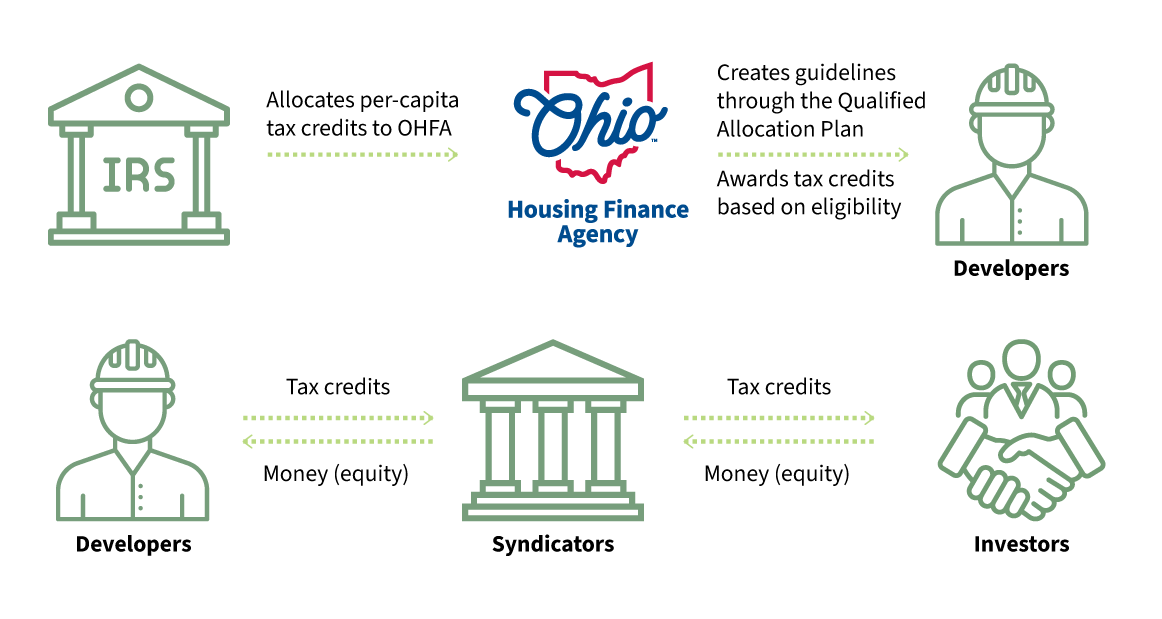
The programs we administer are tax credits and low-interest loans. The most popular program we administer is the Low-Income Housing Tax Credits (LIHTCs). It is a federal program with two types of tax credits: 4% and 9%. The 9% credit is a limited resource and competitively allocated. The IRS allocates a fixed amount of 9% credits to each state annually using a population-based formula. OHFA then awards these credits to housing developments based on the priorities and scoring criteria outlined in the 9% Qualified Allocation Plan (QAP). The 4% credit is available to housing developments that meet the requirements outlined in the 4% LIHTC QAP and must be paired with private activity bonds.
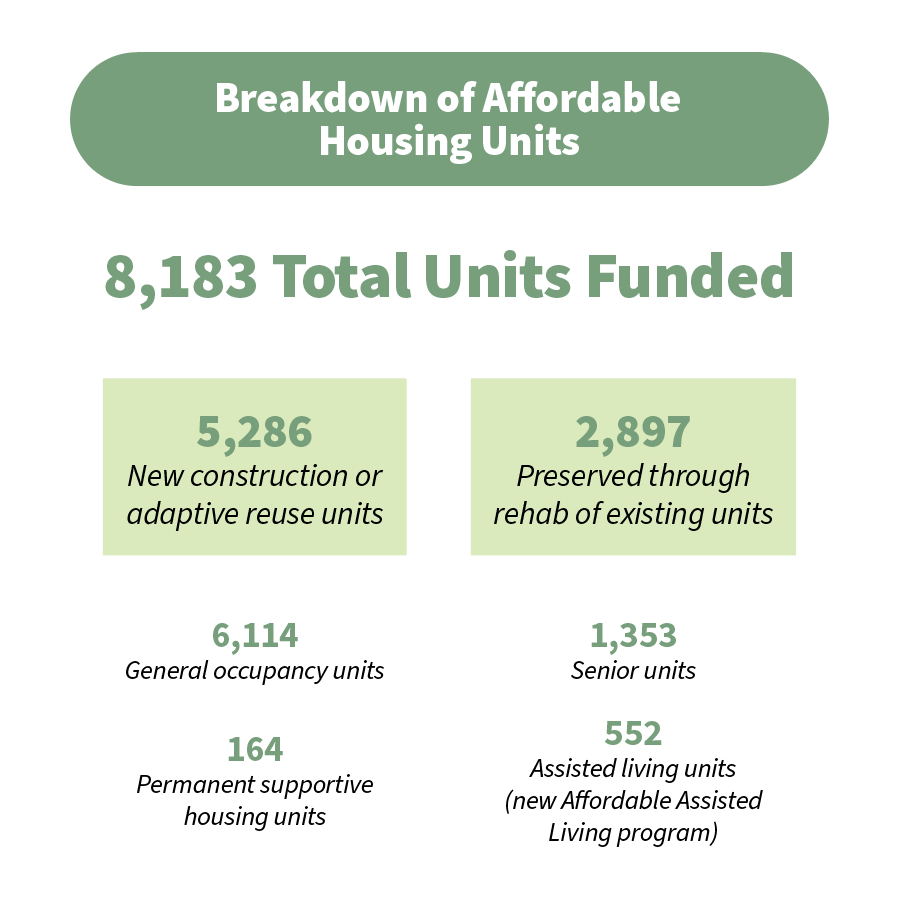
In state fiscal year 2025, OHFA funding constructed 5,286 new housing units and preserved 2,897 — the majority of which were for families throughout Ohio. OHFA also allocated $1.2 billion in federal LIHTC to help in the development or preservation of many of these units. The housing created with LIHTC financing will remain affordable to Ohioans for 30 years. You can learn more about LIHTC in our State Fiscal Year 2025 Annual Report.
OHFA also administers the Ohio LIHTC, which was created in the 2024–2025 state budget and provides OHFA with $100 million a year for four years to finance additional rental housing that would have not otherwise been created. Ohio LIHTC is a state tax credit that is modeled after the federal LIHTC programs. It is paired with the 4% LIHTC and provides additional financing for housing developments. During the first two years of its existence, Ohio LIHTC financed 859 new units in fiscal year 2024 and 989 units in fiscal year 2025. Since its creation, the Ohio LIHTC program has received more applications than funding available.
However, even with tax credits, some projects still require additional “gap financing” administered by OHFA. Developers can apply for additional funding from federal sources like the HOME program or National Housing Trust Fund. We also receive funding from the Ohio Housing Trust Fund, which is paired with Ohio LIHTC to develop new housing in rural areas. Our Housing Development Loans (HDLs) are available to developers that receive tax credits. These are short-term low-interest loans to help pay for construction or permanent financing after construction is complete.
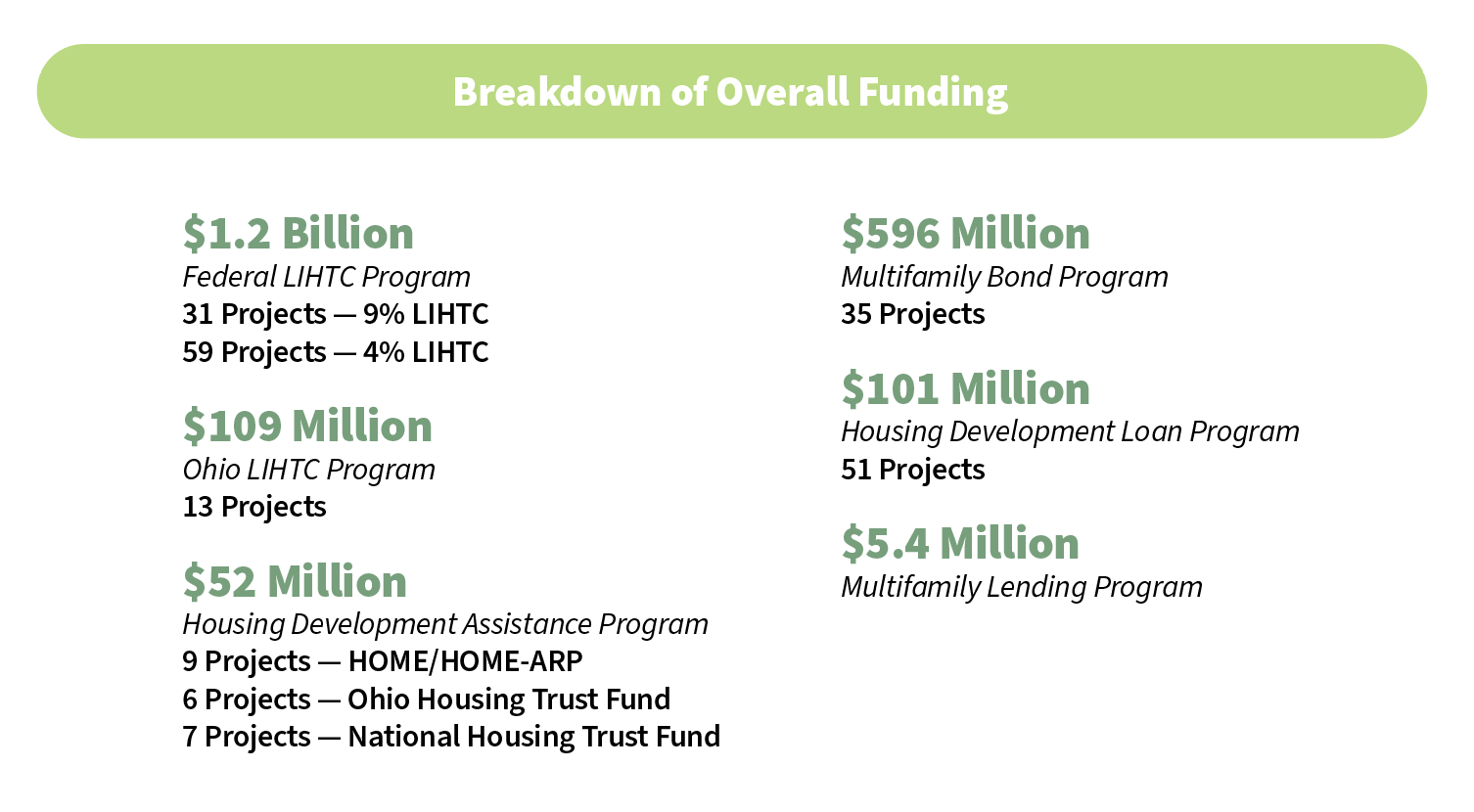
* In order to make affordable housing developments financially feasible, OHFA may provide a single project funding from more than one program. The data above breaks down how many projects received funding from an individual source. The total number of developments OHFA funded in FY25 is 116.
Because the housing units created must remain affordable for 30 years, a single development may receive more than one funding allocation from OHFA. Each program has its own set of guidelines and application timelines, which OHFA reviews annually.
The program guidelines are developed with significant input from stakeholders, including developers, advocacy groups, and municipalities. QAPs provide requirements for the federal housing tax credits. The Bond Gap Financing, Ohio LIHTC, and HDL programs have additional separate program guidelines. The input we receive from our stakeholders lets us know what works and what doesn’t. We then can adjust to ensure that we’re creating and maintaining quality housing for Ohioans. By joining our mailing list, you can find out when our public comment periods begin for our guidelines. Make sure to select Multifamily Housing Development Department Update when you sign up.
Once the financing is complete, construction can begin. Our team monitors the housing development throughout construction to ensure its meeting timelines and funding requirements.
However, our work doesn’t stop when construction ends and the residents move in. Check back soon to learn more about our Compliance team and how we monitor OHFA-funded properties throughout their 30-year affordability period.